Windows 11, is the best outcome from the Microsoft yet, there are many ways you can download or install or upgrade to the Windows 11. Below are some helpful links and guide to Windows 11 Media creation tool download and create a bootable media such as USB.
Sidenote: If the tool is unable and taking longer you can download Windows 11 ISO from here and make a bootable media using Rufus.
Part 1. Windows 11 Media creation tool download
Visit the Microsoft website and look for a big blue button “Download tool now” under the Create Windows installation section.
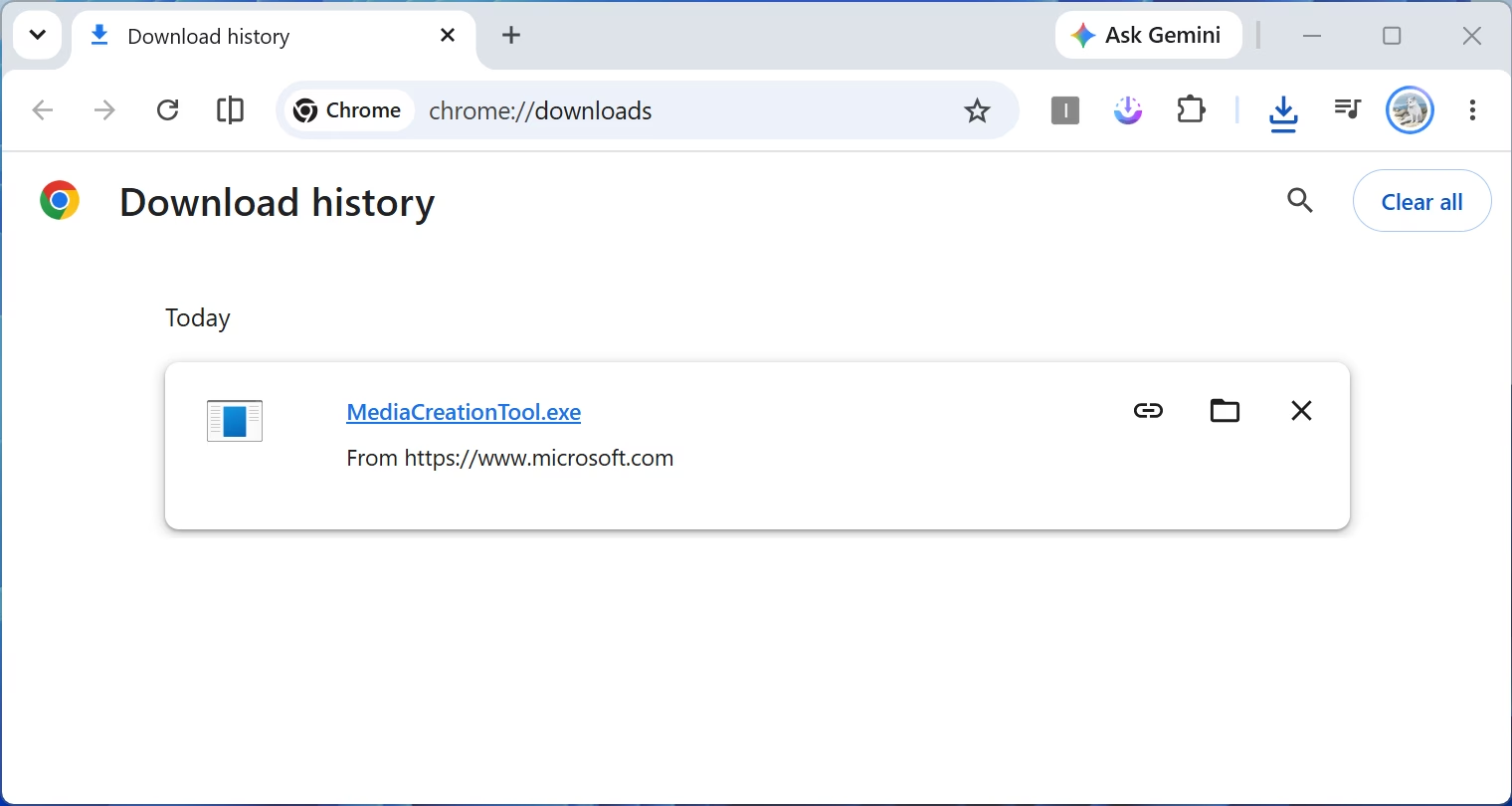
Part 2. Making an Installation Media.
Once this tool is downloaded to your computer open it. The first things are to accept the license terms to continue.
Then you have two options; for language and Edition. You can simply select Use the recommended options for this PC and it’ll mimic the current Windows settings. You can untick it to select your preferred Language and Edition.
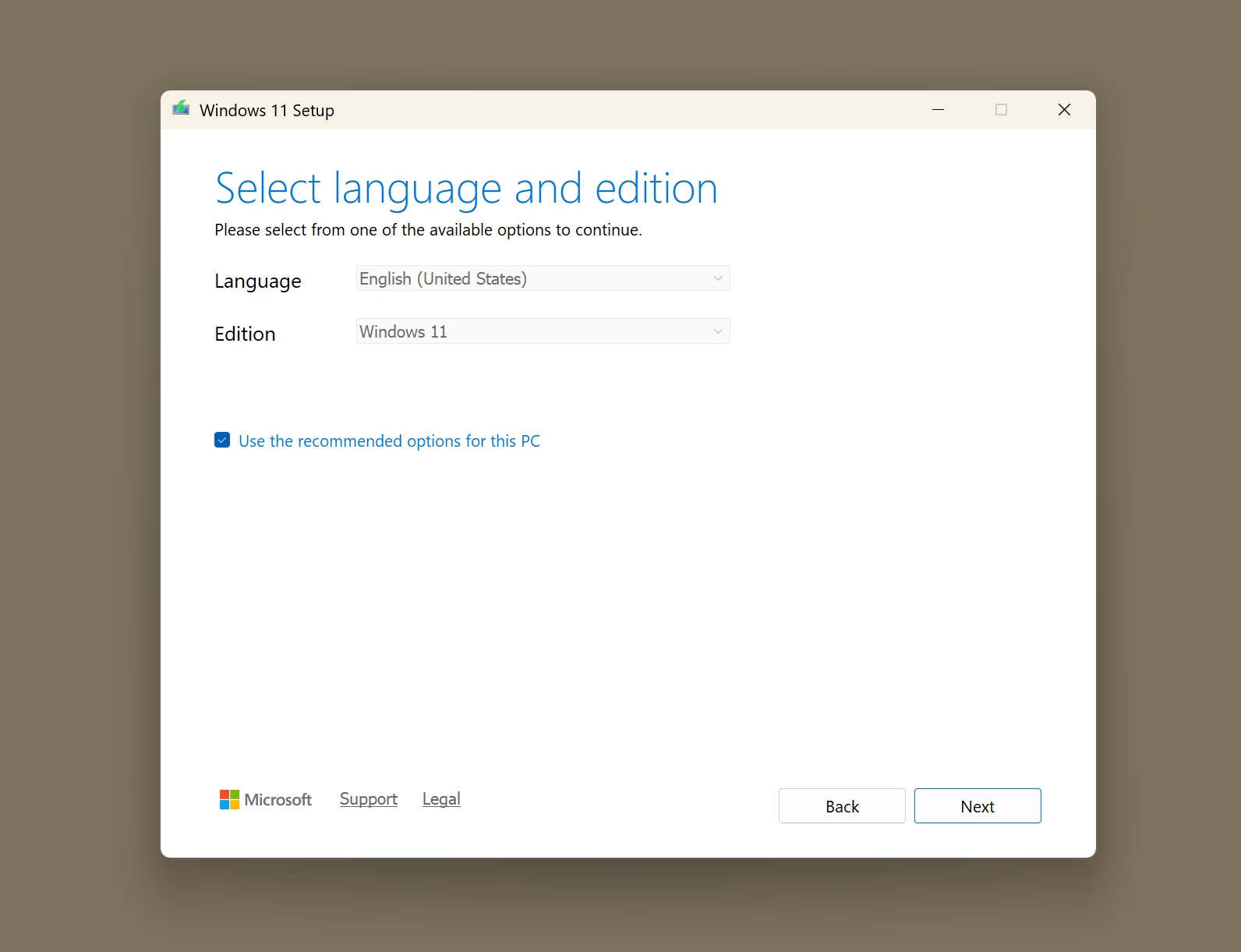
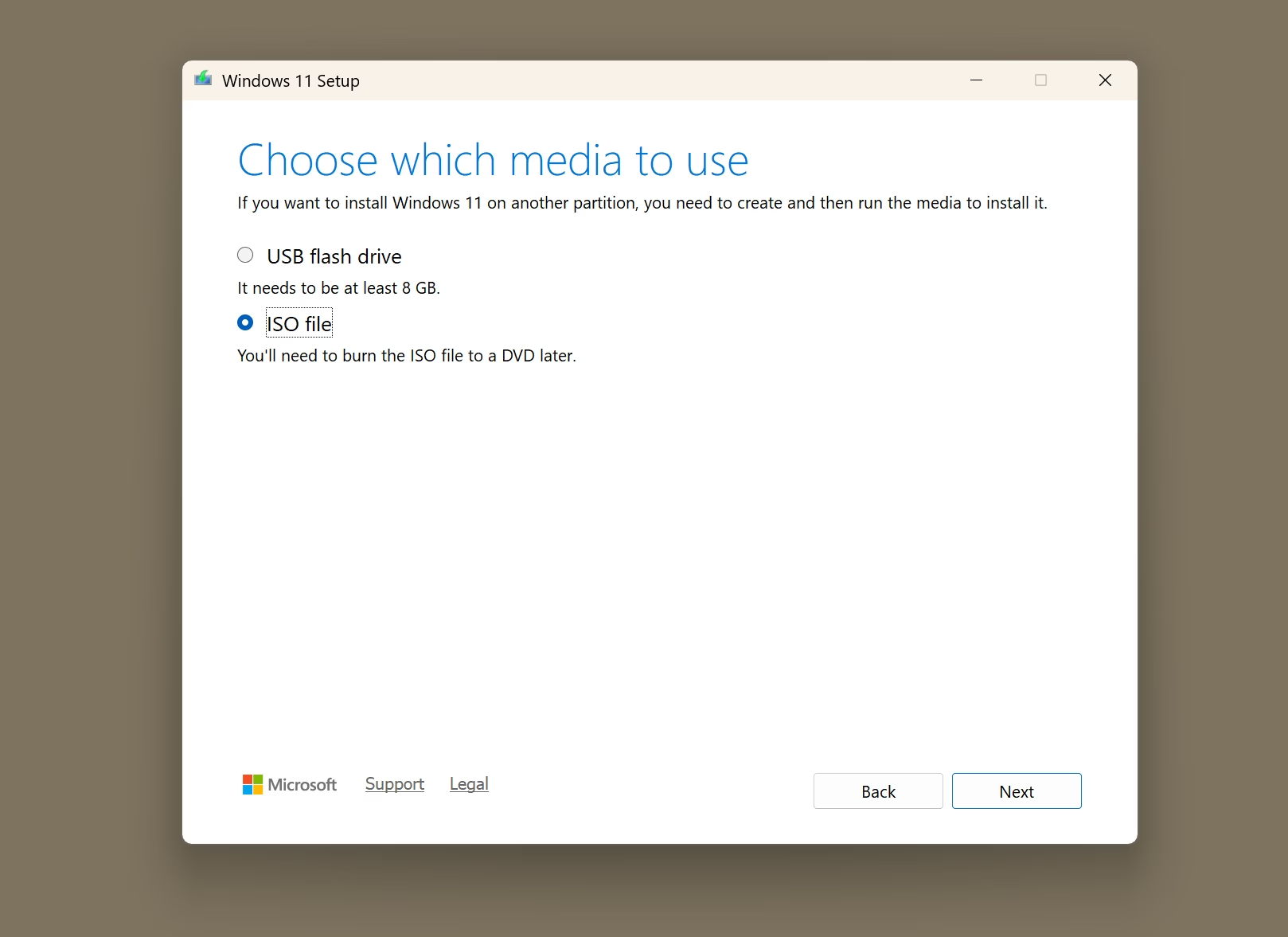
Whether you want to create a USB flash drive or just want to save the ISO file on your computer obviously if you want to install without USB drive you should select the ISO option and we will guide you through this setup. To create a windows 11 latest build ISO select the second option and click Next.
Note: When you’re going to install the Windows 11 on the same computer, You can let the media creation tool automatically choose language, architecture, and edition according to your current running operating system and configuration. If you’re going to use the installation media on another computer, you should untick the “Use the recommended options for this PC” option and choose according to that computer.
Tip: you can manually override the ‘recommended options’ to make a USB drive containing both versions of Windows 10 (32 and 64-bit architecture) helpful, isn’t?
The next thing that appears is a prompt to select how you wanted to create a bootable media, choose ‘USB flash drive’ to make bootable USB and ‘ISO file’ to create bootable DVD.
Doing the USB flash drive option:
Use this method to create a Windows 10 installation media, and You’re required to use a USB drive at least of 4 GB, higher is better if you want to have a Bootable USB for both 32 and 64-bit versions of Windows 10.
The tool will automatically detect the plugged USB drive and will start downloading the Windows 10 ISO and after will create Bootable media installation to the USB drive.
Windows 10 media creation tool can’t find USB:
It sometimes happens with some USB drives, such as Sandisk pen drives, because Windows recognized as a local disc, not removable USB storage. What you can do now is to use another USB drive. Also keep in mind to use at least 8GB pen drive.
Using the ISO file option:
Choose a location where you wanted the tool to place the file after downloading it. Once the download is complete, you can burn the iso file to a blank DVD, or you can also create a Bootable USB using the Rufus tool.
Once a bootable media is created using the media creation tool, Follow the basic instruction to install it on your computer.
Get fall in love with Windows 10, check these.
Windows 10 tutorials
If you have any questions or queries, mention that in the comment section below.