

Windows 11 is an overhaul of what version 10 could not do and a bridge that brought us closer to a streamlined, modern interface. Between annual feature updates and major platform changes like version 24H2, Microsoft has been steadily evolving its desktop operating system.
Rumors originally pointed to a three-year release cadence that would bring Windows 12 into the spotlight. That internal project, heavily discussed under the codename Hudson Valley, ultimately landed as the massive Windows 11 24H2 update rather than a separate operating system. Microsoft chose to keep Windows 11 unified rather than fragment the user base, especially while millions of users still rely on Windows 10.
Microsoft has not announced an official Windows 12 launch date, so claiming anything with absolute certainty right now would be foggy. Aiming at the cloud and releasing an arrow will not hit anything. But looking closely at Windows Insider canary builds and Microsoft’s modular CorePC experiments gives us a clear look at what Windows 12 will likely bring when it arrives.

What to Know About Windows 12
Quick navigation:
- Release date and status
- Pricing and upgrades
- Automatic upgrades
- System requirements
- Expected features
- Minimum specifications
Release Date
To be honest, nothing is set in stone as of now. The anticipated 2024 launch window that early reports pegged as Windows 12 ended up shipping as Windows 11 Version 24H2 alongside Copilot+ PCs. Microsoft decided to avoid releasing a whole new numbered operating system while Windows 10 is still actively deployed in millions of offices and homes.
Microsoft is continuing its annual update rhythm for Windows 11 (bringing annual updates like 25H2 and 26H2). That places any genuine, brand-new numbered release (whether named Windows 12 or a modular Next Valley platform) further down the road, most likely around 2026 or later after Windows 10 officially reaches its end of support. In the meantime, you can test upcoming features early through the Windows Insider Canary channel or grab the latest installation media using our Windows 11 ISO guide.

If you join the Windows Insider Program, you will notice that new builds introduce features tested up to two years before reaching the stable channel. Until Microsoft officially announces Windows 12, all new developments will continue under the Windows 11 banner.
Pricing and Upgrades
Looking at Microsoft’s update model over the past decade, existing Windows users will not have to pay for the upgrade. Just like Windows 10 users were offered a free upgrade to Windows 11, genuine Windows 11 and Windows 10 license holders should receive Windows 12 as a free update.
Of course, if you build a custom PC or do not already hold a valid Windows license, you will still need to purchase a standalone product key. You will likely be able to install and evaluate the operating system without activating immediately, though personalization settings will remain locked and an activation watermark will appear on the desktop until a key is linked.
Compatible hardware is the main prerequisite. Windows 11 introduced strict hardware limits, and that baseline will carry forward to Windows 12. If your PC currently runs Windows 11 without bypass tricks, it will almost certainly meet the baseline for Windows 12 as well.
Automatic Upgrades
Microsoft regularly shows upgrade prompts to Windows 10 and 11 users, and we expect a similar rollout for Windows 12. The update will be offered as an optional download through Windows Update rather than an instant forced overwrite on day one.

Forced updates usually only occur when your current Windows version approaches its end-of-service date. Each major Windows feature update is supported with security patches for 24 months. Once that lifecycle runs out, Windows automatically queues the newer supported release to keep your machine protected against security flaws.
System Requirements
Windows 11 raised the hardware bar by requiring 8th Gen Intel or AMD Zen 2 processors, TPM 2.0, and Secure Boot. With Windows 11 24H2, Microsoft took this further by requiring CPU instructions like POPCNT and SSE4.2 at the kernel level, effectively stopping older processors from booting even with command-line workarounds.
For standard desktop tasks, the baseline specs will likely mirror Windows 11: a compatible 64-bit multi-core processor, TPM 2.0, Secure Boot, and at least 64 GB of storage. However, on-device AI tools (such as Copilot+ features and local recall search) require a dedicated NPU capable of 40+ TOPS along with 16 GB of RAM. Basic Windows functionality will still work on standard hardware, while advanced local neural processing will stay reserved for AI-equipped laptops and desktops.
If you need to bypass artificial hardware blocks or create installation media for unsupported test PCs, you can use utilities like Rufus to generate tailored installation media.
Expected Features
While Microsoft has kept official branding under wraps, prototype teasers, Canary builds, and patent leaks hint at several architectural changes:
- Modular CorePC Architecture: A state-separated file system that isolates OS partitions from user files and apps. This allows faster background updates, cleaner reinstalls, and better security isolation.
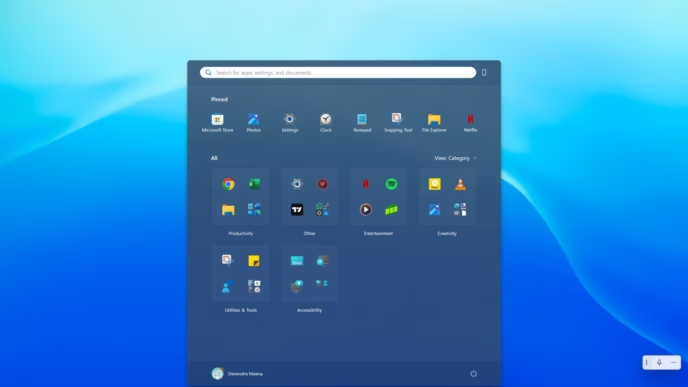
- Floating Taskbar and Top Status Bar: Prototype UI demos from Microsoft Ignite showed a floating rounded taskbar at the bottom paired with a slim, macOS-style status bar at the top displaying system icons, clock, and search.
- On-Device AI Integration: Deeper neural processing for contextual search across apps, automated window snapping based on usage patterns, and real-time translation tools.
- Advanced Battery and Energy Management: Smarter background power throttling tailored for both x86 processors and ARM-based platforms like Snapdragon X.
Minimum Specifications
- Processor: 1 GHz or faster with 2 or more cores on a compatible 64-bit processor (requiring SSE4.2 and POPCNT instruction sets)
- Memory: At least 4 GB to 8 GB RAM (16 GB required for Copilot+ AI features)
- Storage: 64 GB or larger storage drive
- System Firmware: UEFI with Secure Boot capability
- TPM: Trusted Platform Module (TPM) version 2.0
- Graphics Card: DirectX 12 compatible with WDDM 2.0 or higher driver
- Display: 720p resolution or higher, 8 bits per color channel
- Internet and Account: Internet connection required for initial setup, though local account bypass methods (such as
oobe\bypassnroor Rufus) remain available
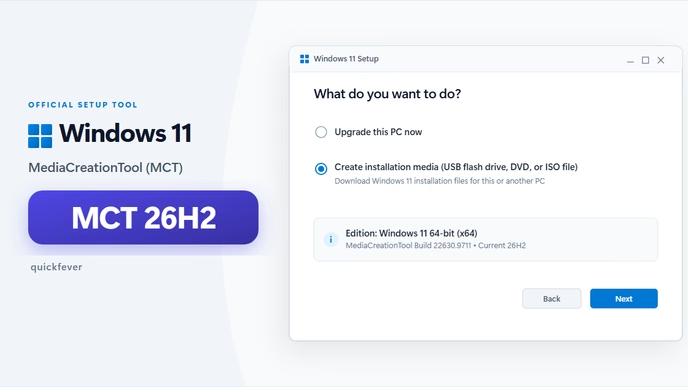
We will keep this page updated as Microsoft pushes new Canary builds and details about its next-generation OS. In the meantime, check out our walkthroughs on how to clean install Windows 11 from USB and how to use the Windows 11 Media Creation Tool. If you have questions or want to share your thoughts on where Windows is heading, drop a comment below.


Desktop usage is becoming more and more redundant as time goes by. In 2024 will Windows 12 be as much needed as it is right now? By the way great post (y) Awesome work!