Update (From Allo to Google Messages): Google officially retired the Allo project on March 12, 2019, but its best innovations did not vanish. Instead, Google rolled the entire team, predictive reply technology, and AI chat features straight into Google Messages (with RCS). If you are looking for Google’s true answer to WhatsApp today, Google Messages is preloaded on most Android devices. Here is why Google Messages is worth using and how it stacks up against WhatsApp.

A lot of people talked about Google Allo when it first dropped alongside Duo. After spending quality time using it back then, it was clear Google had big ideas to challenge WhatsApp and Telegram. The truth is Google was late to the standalone chat app game. But in tech, being first does not guarantee staying on top forever, and Google took the lessons learned from Allo and channeled them directly into standard Android texting with Google Messages.
Today, Google Messages has transformed from a basic SMS inbox into a full-blown modern messaging hub powered by RCS (Rich Communication Services). Many users find it cleaner and more convenient than WhatsApp for daily texting, especially with native system integration and zero bloat.
Here is how Google’s modern messaging app holds up and why it is worth using:
1. Smart Reply and Predictive Suggestions
One of the standout perks introduced during the Allo days was predictive replies. Google brought that exact machine learning tech into Google Messages as Smart Reply.
Instead of manually typing routine answers, the app analyzes incoming texts on-device and suggests one-tap responses, context-aware emojis, and quick actions. If a friend asks for directions or asks if you are free tomorrow, Google Messages offers buttons to launch Google Maps or add an event to Google Calendar with a single tap. It saves serious time on small touchscreens.
2. Built-in Google Assistant and Gemini AI
Back when Allo launched, having a built-in chatbot powered by Google Search was mind-blowing. Siri and Cortana were around, but having Google Assistant right inside a chat thread to pull movie times or answer trivia was fresh. (Back then, I literally tested it asking “tell me about arrow 5” followed by “and about flash season 2”, and it pulled the answers instantly).
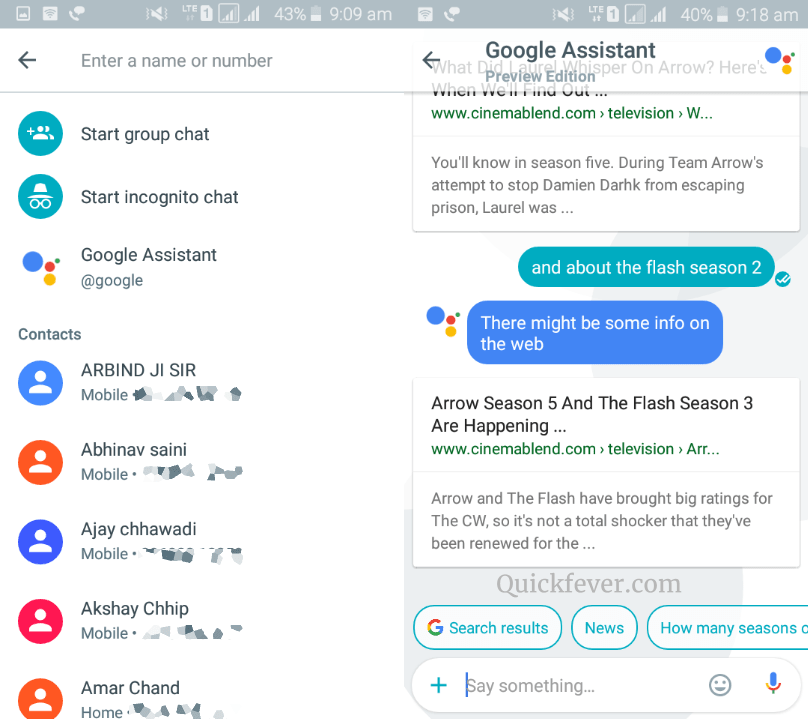
In modern Google Messages, Google expanded this concept further by integrating Gemini directly into your chats. You can start a direct conversation with Gemini to draft messages, plan weekend itineraries, brainstorm ideas, or summarize information without jumping between different apps or opening a browser.
3. Default End-to-End Encryption
In Allo, Google forced users to manually open a separate “Incognito” window to get end-to-end encryption. If you did not turn on Incognito, messages sat on Google servers with standard transport security.
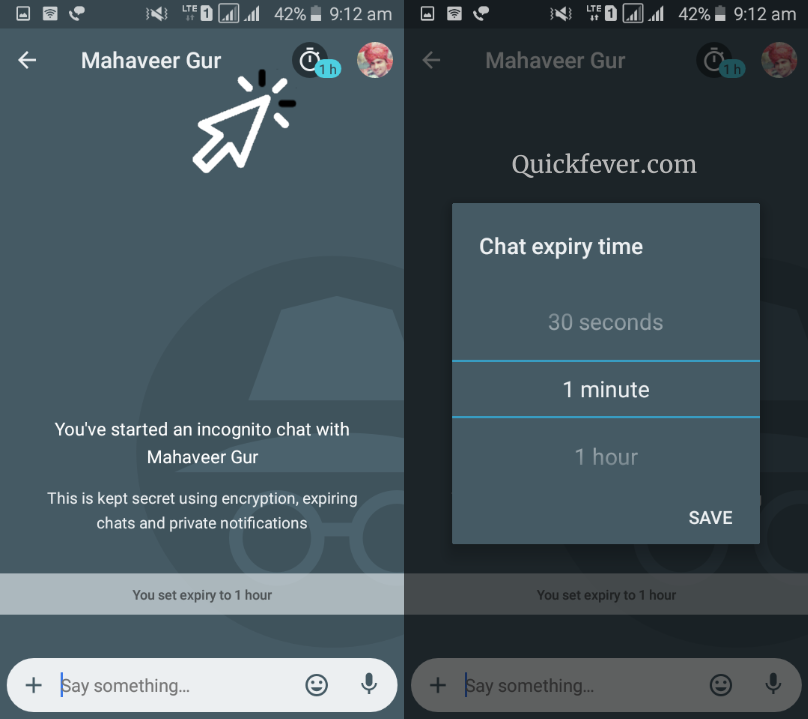
With Google Messages, privacy is no longer a hidden toggle. All one-on-one and group RCS conversations are end-to-end encrypted by default using the proven Signal Protocol. That means nobody, not even Google or your mobile carrier, can read the contents of your messages and shared media in transit.
4. Message Anyone with Universal Reach
The single biggest headache with apps like WhatsApp, Telegram, or Signal is the walled garden: both you and your recipient must download the app and create an account. If your friend or family member does not have WhatsApp, you cannot reach them.
Google Messages solves this entirely. It uses high-speed RCS data when chatting with someone who has RCS enabled on Android (and supported modern iOS devices). If the recipient does not have internet access or uses an older phone, the app automatically falls back to standard SMS or MMS. You can text literally any phone number from your contact list without worrying whether they have installed a specific third-party app.
5. Delivery Checkmarks Without Intrusive Last Seen
Google Messages includes modern message status indicators. You get clear delivery status checkmarks:
- Single Checkmark: Message sent successfully from your phone.
- Double Checkmarks: Message delivered to the recipient’s device.
- Filled Double Checkmarks: The recipient has opened and read your message.
Best of all, you get real-time typing bubbles without having your privacy broadcasted through an intrusive “Last Seen” timestamp like WhatsApp defaults to.
6. Custom Reactions, Photomoji, and Text Sizing
Allo pioneered the “Whisper/Shout” slider, letting you slide the send button up or down to enlarge or shrink your text and emojis before sending.
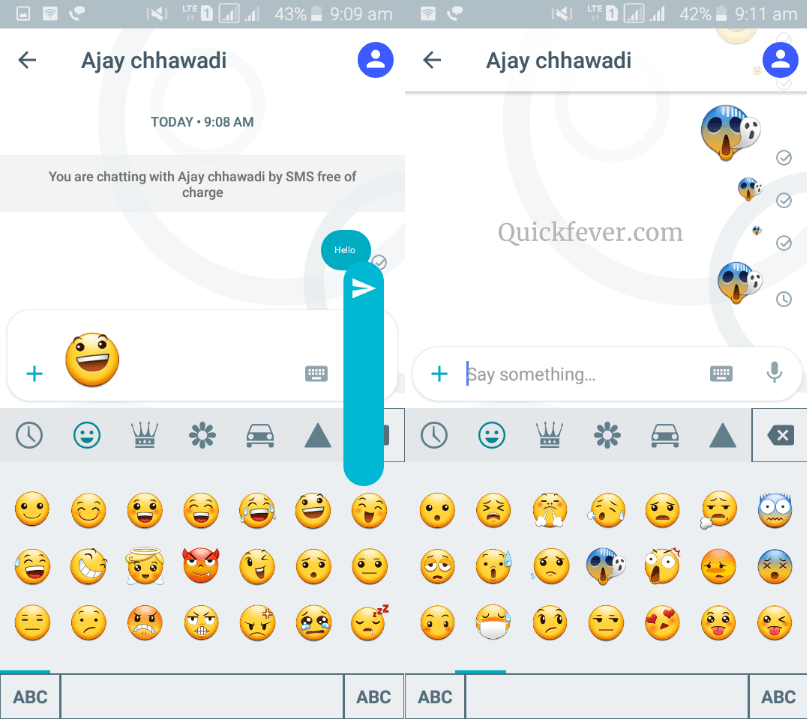
In Google Messages, expressive messaging goes much further. You can react to any message with full emoji support, use Photomoji to crop and turn personal photos into custom reaction stickers, and enjoy full-screen animations for phrases like “Happy Birthday” or “Congratulations”. It brings the fun, playful side of messaging without cluttering the screen.
7. Built-in Stickers, GIFs, and Audio Notes
Allo had dedicated sticker packs that many users loved. Google carried that creative spirit right into Google Messages. You have immediate access to animated sticker packs, searchable Tenor GIF libraries, and voice mood notes with background sound effects.
Everything sits right inside the keyboard bar, ready to drop into a chat without needing third-party sticker add-on apps.
8. High-Resolution Media and Messages for Web
When Allo first arrived, its biggest flaw was the lack of a desktop client. You were trapped on a single mobile screen, unable to sync chats across devices. Meanwhile, sending media over old-school carrier texting resulted in horribly pixelated, compressed MMS images.
Google Messages completely overhauled this with two important upgrades:
- Full Quality Media Sharing: Over RCS, you can send uncompressed high-resolution photos, 4K video clips, documents, and audio recordings up to 100MB over Wi-Fi or mobile data. If you need to send larger folders, integrating with free cloud storage tools like Google Drive makes sharing straightforward.
- Messages for Web: By visiting
messages.google.com/weband scanning a quick QR code with your phone, you can send and receive texts, media, and RCS chats directly from any Windows, Mac, or Linux browser on your computer.
Google Messages vs WhatsApp: Which Should You Use?
WhatsApp remains a dominant force globally, especially if you rely on international voice and video calls or features like sharing live location on WhatsApp with friends. If your primary circle lives inside WhatsApp groups, you will probably keep using it. But for day-to-day texting, Google Messages has matured into a clutter-free alternative that comes preloaded on your phone.
With native RCS support, default end-to-end encryption, built-in Gemini AI, and zero requirement for recipients to download another third-party app, Google Messages delivers the modern chatting experience Google envisioned years ago. If you have not opened your default texting app recently, it is well worth a second look.